Modular remote power control modules for extending sequenced control to any location.
The XPC system provides distributed power control through a series of remote relay modules managed by a standalone or integrated network controller. It is designed for AVL integrators needing to add sequenced power control in locations where a traditional panel is not physically feasible.
A modular power control system that extends intelligent sequencing to remote locations. XPC uses a central controller to manage a network of relay modules, allowing integrators to place control exactly where equipment is located, independent of the main breaker panel.
Flexible Control for Distributed AVL Systems
System Type
Modular Relay Modules
Control
IP, DMX, sACN, Telnet
Integration
Standalone or RPC
Form Factors
Cube or Rack Strip
Amperage
20A or 30A
XPC SYSTEM OVERVIEW
Extend intelligent power control anywhere you need it.
The XPC Xtend Power Control System offers a flexible, modular solution for placing sequenced power control exactly where your equipment is located. Comprised of compact remote relay modules, the XPC system is ideal for installations on rigging, behind line arrays, in racks, or any space where a full-sized panel will not fit. Each module connects to your network, allowing for simple setup and management through an intuitive web interface.
Whether used as a standalone system with the dedicated XPC controller or integrated into an existing LynTec RPC, RPCR, or NPAC installation, the XPC series extends the reach of reliable power management. This simplifies complex AVL setups and provides granular control over distributed equipment, all from a centralized, IP-based platform.
SYSTEM INTEGRATION
Integrate XPC with your facility’s infrastructure.
The XPC system is designed to work with existing LynTec panels and standard AVL control and network hardware.
LynTec RPC, RPCR, and NPAC Panels
Add XPC modules as remote extensions to an existing LynTec intelligent breaker panel for a unified control ecosystem.
Professional AVL Equipment
Provides sequenced, protected power for distributed audio amplifiers, video displays, and performance lighting.
Third-Party Control Systems
Integrates with show control and automation platforms from Crestron, AMX, and others via IP, DMX, or contact closure.
Standard IP Networks
Connects and communicates over standard Ethernet infrastructure, simplifying deployment and management.
CONFIGURATION OPTIONS
Build your distributed power system.
Configure an XPC system by selecting the appropriate controller architecture and remote modules for your installation.
The XPC system can be deployed in one of two ways depending on your facility’s existing infrastructure:
Standalone System: Utilizes the XPC Standalone Controller as the central brain to manage all connected XPC relay modules. Ideal for new installations or isolated systems.
Integrated Extension: XPC modules can be added to an existing LynTec RPC, RPCR, or NPAC panel, using the main panel’s controller to manage the remote relays as part of a larger ecosystem.
Choose from multiple form factors to match the physical constraints and power requirements of each location:
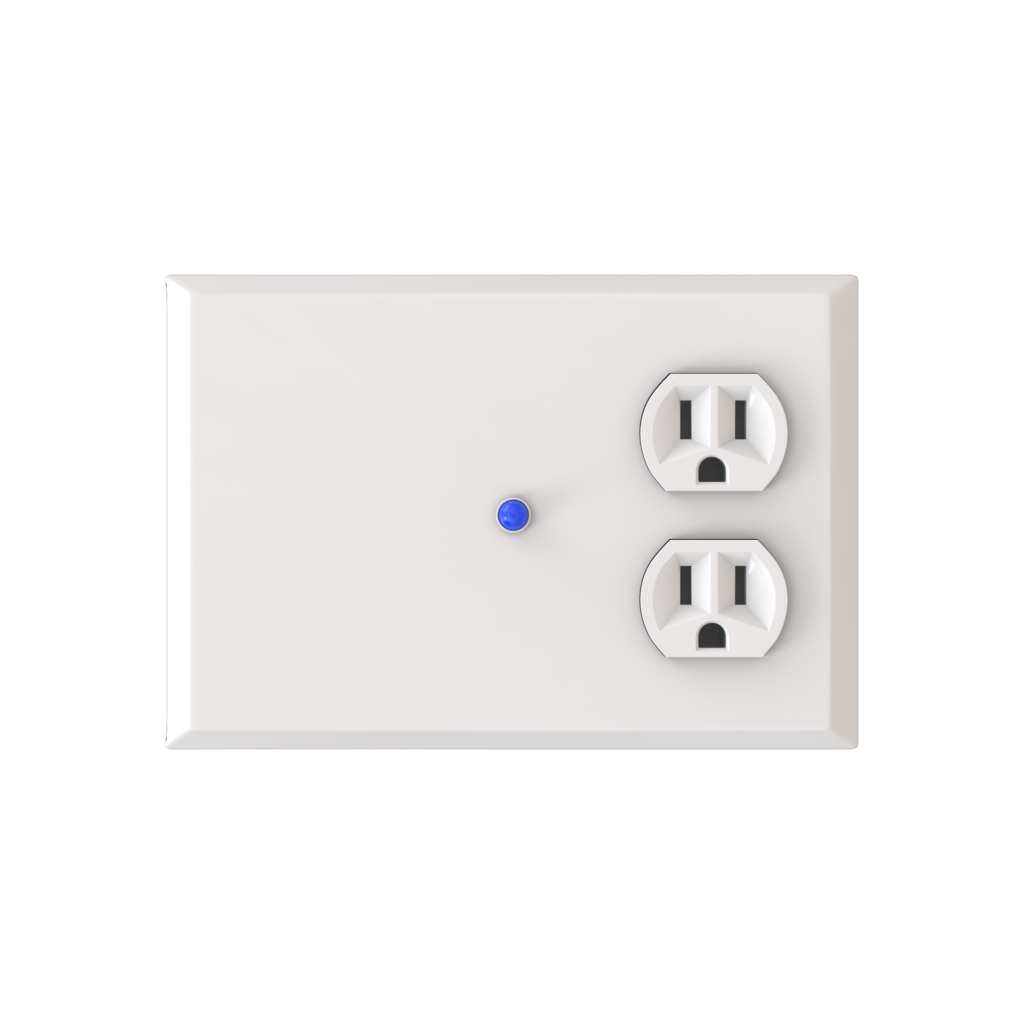
XRM Cube Modules: Compact, standalone enclosures available in 20A (XRM-20) and 30A (XRM-30) models, perfect for placement on trusses or near individual pieces of equipment.
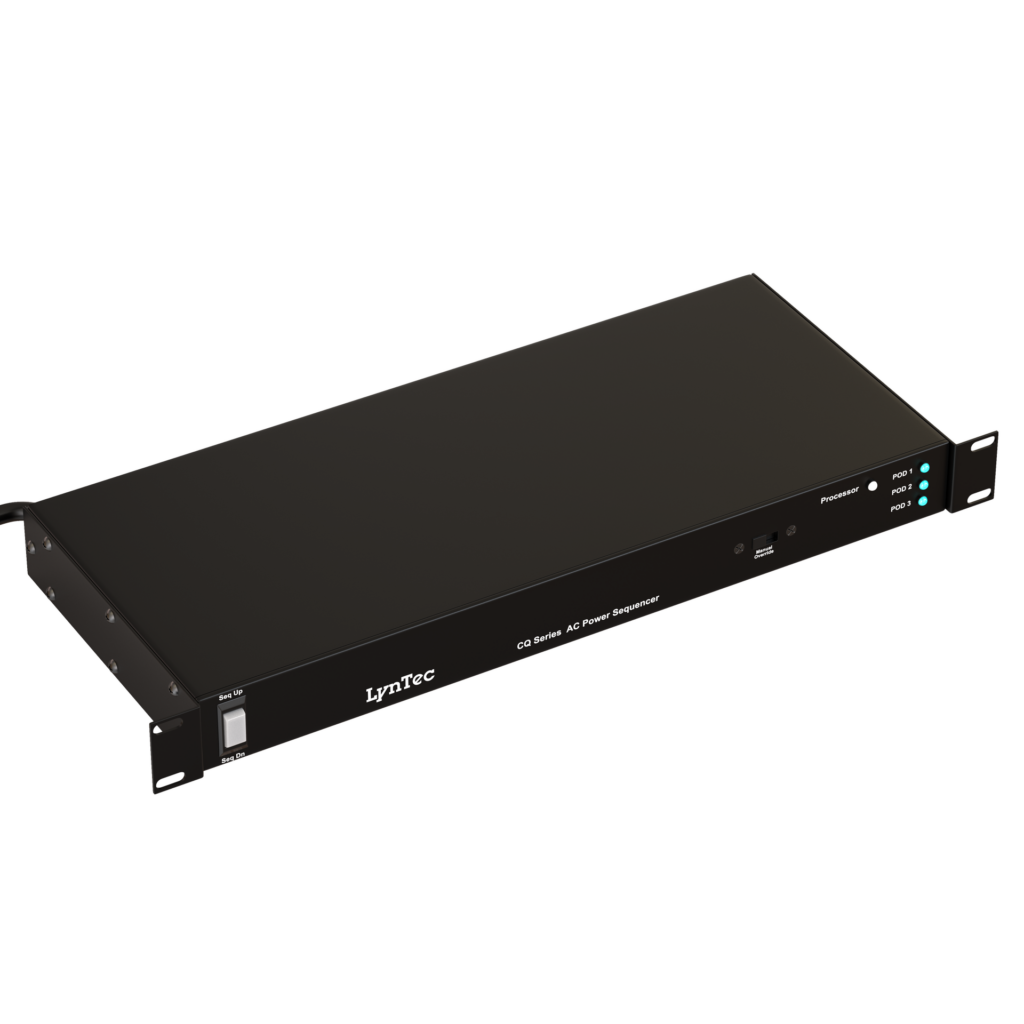
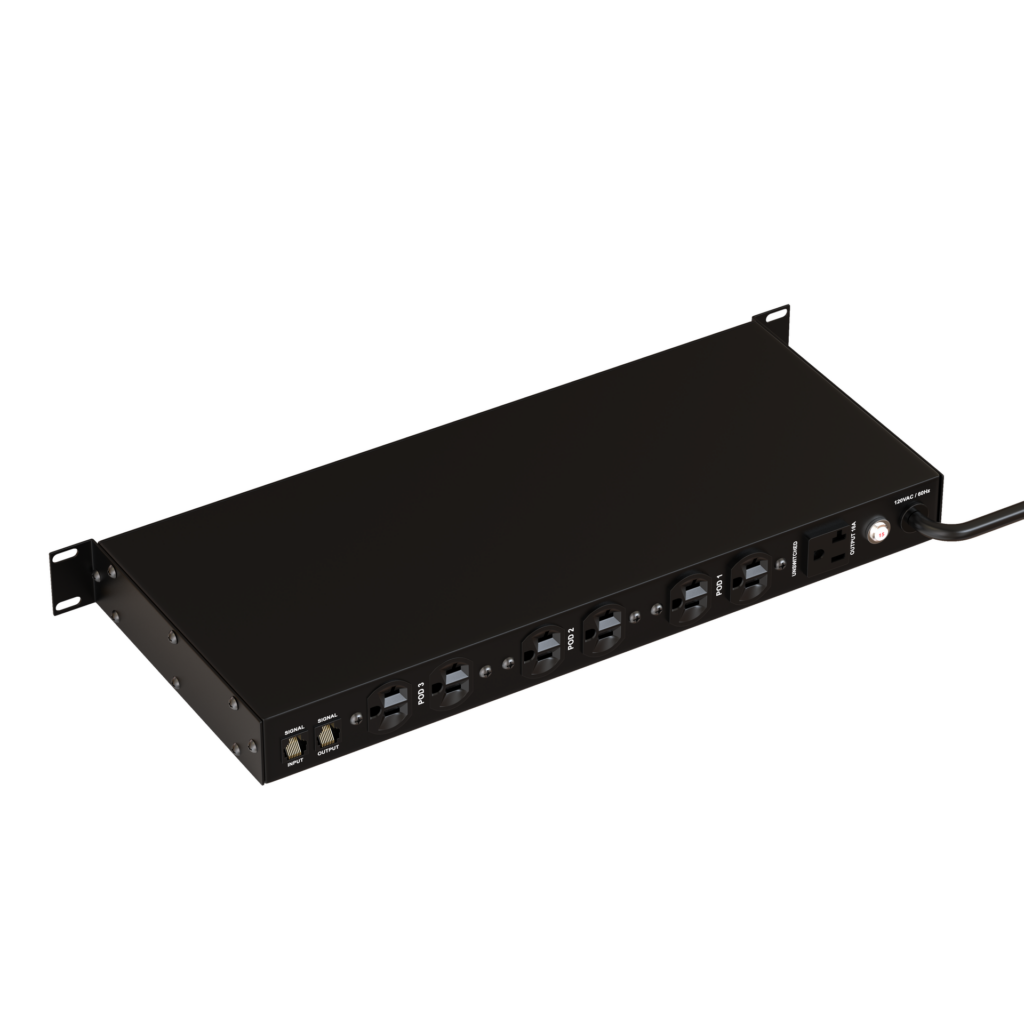
XRS Rack Strips: Vertical, rack-mountable strips designed for high-density applications. The XRS-20 manages a single 20A circuit, while the XRS-80 can manage up to four 20A circuits.
All XPC modules are managed through a unified, IP-based interface that provides comprehensive control:
Web GUI: An intuitive, browser-based interface for all setup, sequencing, and monitoring, accessible from any networked device.
Third-Party Integration: Control via Telnet, DMX, sACN, or simple contact closures allows for easy integration with existing show control or building automation systems.
Power Sequencing: Establish proper power-up and power-down sequences for connected equipment to prevent damage and inrush current issues.
MODULAR, EXTENDABLE CONTROL
The XPC Xtend Power Control System
Combine the XPC Standalone Controller with remote relay modules to extend sequenced power control to any location.
Yes. The XPC system can be deployed with the XPC Standalone Controller, creating a self-contained power control network. This is ideal for smaller venues or installations that do not have a centralized LynTec panel.
Installation is simple. Each module is placed near the AVL equipment, connected to a power source, and plugged into your local area network via its Ethernet port. Configuration is then handled through a web browser.
The XPC system uses a central controller, either standalone or integrated into an RPC panel, to manage one or more remote relay modules over a standard IP network. This allows you to place power control right next to the equipment that needs it.
The XPC system can be controlled via its native web interface or integrated with third-party systems using IP, Telnet, DMX, sACN, or contact closures, providing flexible integration options.
The XPC series includes compact cube enclosures for single 20A or 30A circuits (XRM-20, XRM-30) and vertical rack-mounted strips that can manage one or four 20A circuits (XRS-20, XRS-80).
Our engineers can help design a complete XPC solution for your venue. Share your equipment locations and power needs, and we will provide a system layout that simplifies installation and centralizes control.